Subscribe to our free weekly newsletter
Send news

News tags

mental health  physical activity  earthquake  vacancies  families  public health  children  funding  poverty  health determinants  social  Community development  planning  employment  healthy cities  volunteers  newsletter  youth  volunteering  nutrition  employment opportunity  housing  alcohol and drugs  maori  community engagement  rebuilding  wellbeing  disabilities  Lectures  counselling  Training  earthquake recovery  sustainability  event  community gardens  Community  seminar  Awards  stress  Community Groups  mens health  research  arts  smokefree  culture  men  exercise  migrants  community event  education  environment  resilience  human rights  health  medical  business  sport  conferences  survey  mental wellbeing  Courses  obesity  elderly  support group  environmental health  healthy food  health promotion  violence  pacific health  resources  rebuild  women  race relations  meeting  gardens  workshop  services  leadership  forum  water  disabled  repair  transport  prevention  pacific  dance  fundraising  asian health  sexual health  inequality  cancer  support  disasters  development  mindfulness  dementia  presentation  collaboration  health in all policies  data analysis  recovery  smoking  law  drugs and alcohol  technology  safety  cycling  Sleep  policy  parenting  media  hearing  walking  land  neighbours  social justice  qualification  resilient cities  information  community connection  consultation  oral health  bullying  depression  youth empowerment  young people  activities  non-profit  charity  harm  NURSES  addiction  disease  Communication  alcohol  symposium  submission  anxiety  accessibility  Relationships  eating  economics  Advocacy  eLearning  falls  parking  energy  efficiency  heating  insulation  advice  Eating Disorders  abuse  waste  Matariki  webinar  diabetes  workplace  Film  Climate Change  solutions  urban  management  economy  plan  restoration  Report  Vulnerability  welfare  parks  learning  awareness  emergencies  legislation  injury prevention  reading  Meeting Room  conservation  language  refugees  recreation  built environment  data  venue  urban design  Food  older people  finances  suicide  heritage  gender  recycling  breastfeeding  public  identity  Nursing  submissions  Rainbow  biodiversity  campaign  promotion  Gut Health  diversity  therapy  older adults  sexuality  computing  pollution  School Holidays  Arts Therapy  providers  gambling  Maori health  Cervical cancer  screening  trauma  autism  Governance  treaty of waitangi  care  mentoring  pets  relaxation  Professional Development  pornography  exhibition  history  discrimination  vaping  equity  lockdown  grief  rural  hygiene  participation  tourism  summer  intervention  warning  podcast  science  petition  swimming  roadworks  traffic  wildlife  beaches  pools  immunisation  vaccination  brain  preparation  open day  market  evaluation  noise  music  property  testing  crafts  CALD  cultural diversity  camping  creativity  child health  tamariki  climate action  Pasifika  refugee  migrant  community events  road safety  cyclists  library  Hornby  skills  placemaking  regenerative communities  journey  reflection  regional council  councillors  water management  emergency management  retirement  stress management  Christmas  family  festival  alcohol harm  waterways  planting  health protection  legionnaire's disease  hepatitis  heatwaves  river beds  nesting birds  water safety  natural resources  community organisations  fishing  gardening  workshops  stormwater  biosecurity  volunteer  plant and animal pest management  politics  faith  crime  drugs  pregnancy  native birds  Waimakariri  water quality  schools  early childhood  health professionals  heart disease  kura  school  ethical issues  rangatahi  Linwood  running  donations  whanau  financial pressures  online  health professional  flooding  conflict  peace  winter  agriculture  stroke  plastic  representation 

Tiny pellets, big problem: How Christchurch is fighting plastics in our waterways

Wednesday, December 17, 2025   Posted in: Signatory Notice Board By: Administrator With tags: pollution, plastic, environmental health, campaign

Environment Canterbury media release: 16th December 2025

Unannounced site visits to Ōtautahi Christchurch plastic manufactures have revealed significant improvements in the fight to prevent nurdle pollution — stormwater’s tiny microplastic foe.

Nurdles are small plastic pellets used to make most plastic products, typically ranging from 2-5 mm in diameter. When they enter stormwater drains and flow into waterways, nurdles and other microplastics pose significant risks to marine ecosystems and public health.

Site visits help keep plastic out of waterways

In 2024, our compliance staff conducted a series of targeted visits to ensure businesses were doing their part to prevent plastics pollution.

Since then, follow-up visits show major strides are being made to keep plastic out of waterways. A total of 23 monitored sites have moved from high/medium priority to the low priority status in the last year.

Several companies are also stepping up to proactively prevent nurdle pollution by joining Operation Clean Sweep, a voluntary, industry-led certification and audit program that helps businesses to eliminate fugitive plastic loss and protect the environment.

Find out more about Operation Clean Sweep.

Major improvements to estuary health
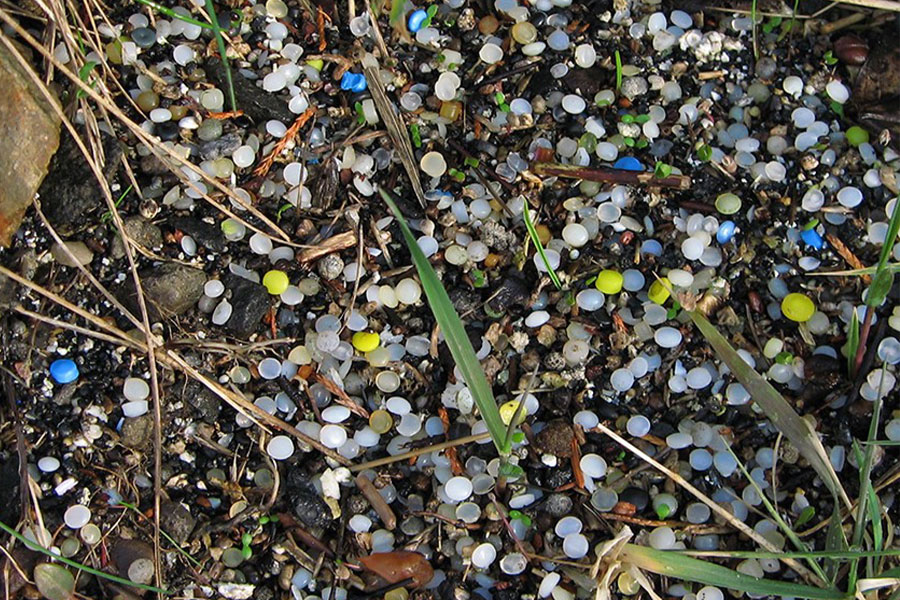
Nurdles may be small, but the can have a huge impact on the environmentBetter onsite practices are having a real impact on the health of Christchurch’s urban waterways.

A University of Canterbury (UC) student report comparing the number of nurdles found in 2021 and 2024 at five sites around the Ihutai Avon-Heathcote Estuary shows significant improvement:

  • South New Brighton: 137 to 116.
  • Humphreys Drive: 1538 to 220.
  • Sandy Point: 1227 to 263.
  • Bridge Street: 446 to 102.
  • Ferrymead Bridge: 292 to 154.

This work was done in partnership with the Avon-Heathcote Estuary Ihutai Trust.

Land management advisor Thomas Jansen said the project is a great example of what can be achieved when working collaboratively with community groups.

“It’s great to see all of the mahi and prevention work paying off.”

Another UC student is currently doing a report to see how these numbers have changed in the last year.

Educating industry to prevent pollution

Compliance officers use an educational approach with industry, offering practical advice to support companies in making simple but effective changes onsite to reduce the risk of nurdle and plastic pellet discharges.
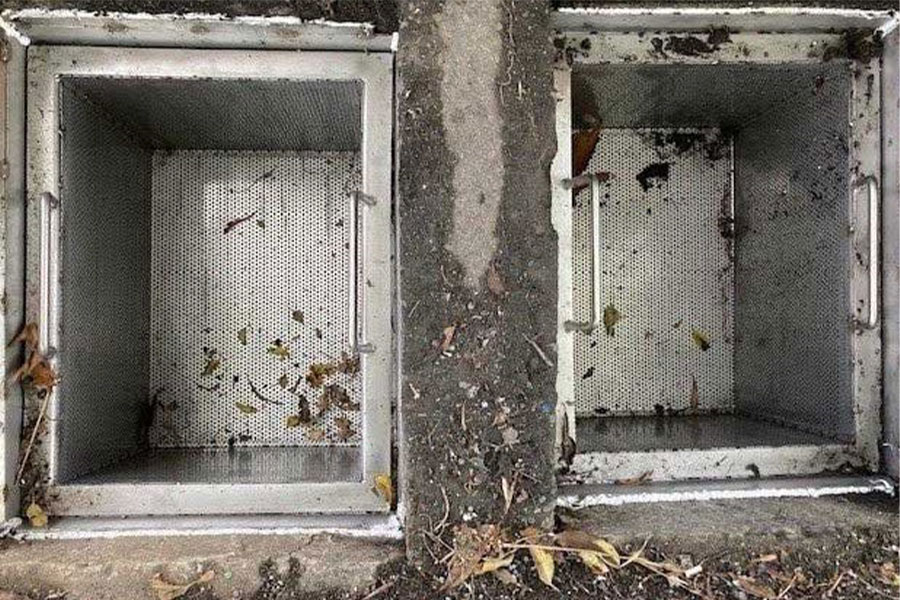
An example of a mesh filter on a stormwater sump.Our staff recommend:

  • installing fine-mesh filters on stormwater sumps.
  • using vacuum systems at workstations to deposit collected plastic directly into sealed disposal units.
  • lining large skips to prevent loose plastic from being blown or washed across sites during waste collection.

Small housekeeping improvements can also have a big impact. These include regular sweeping, ensuring spill kits are accessible, and storing raw materials under cover.

“Generally, we have found that these companies are quite keen on working with us,” said senior resource management officer Leigh Thomas.

“They are aware of the bad rap that the plastics industry has had and want to see improved environmental outcomes. We have encountered positivity and a cascade of companies voluntarily signing up, at additional cost to themselves, to Operation Clean Sweep certification and audits — something we are very supportive of.”

Our compliance team continues to monitor sites in Waitaha to ensure best practice is maintained and the environment is protected, including our waterways.

More work to do

Work in the plastics industry? Call 0800 324 636 to talk to our compliance team about preventing plastic pollution.