Help stop the spread of freshwater pests
Wednesday, December 17, 2025
Posted in:
Signatory Notice Board
By:
Administrator
With tags:
waterways,
water quality,
recreation,
sport,
summer,
preparation,
prevention,
biodiversity,
biosecurity
Environment Canterbury media release: 16th December 2025
Whether you’re out fishing, kayaking, paddleboarding, jet skiing, or boating on our freshwater lakes and rivers this summer, the threat of freshwater pests spreading and invading is more real than ever. These pests can choke native water plants and destroy spawning areas for the fish that call our region home.
Pests like egeria is already established in the Avon River, and the freshwater gold clam is spreading in the North Island making the threat to our waterways very real. Many lakes and rivers in Waitaha Canterbury remain pest-free, and we all have a role to play in keeping them that way by thoroughly cleaning and decontaminating gear and vessels before entering any new waterway.
How to prevent freshwater weed invasions
If you’ve been in a lake, river, stream, or wetland and plan to move to another within 48 hours, you must clean all your gear that has been wet using the Check, Clean, Dry method.
 Check: Inspect boats, trailers, and anything else that was in the water—including your dog’s fur and paws for any plant material and remove it. Even if the plant looks dry and dead, it may still survive and start a new infestation. Leave debris at the site or dispose of it in the rubbish. Do not wash it down drains.
Clean: Wash all equipment, such as nets, machinery, footwear, and clothing thoroughly with an appropriate decontamination solution (10% detergent for 10 minutes or 2% bleach for at least one minute in water) before putting it in any new waterway.
Dry: If you can’t clean your gear or animals, restrict your use to a single waterway OR dry completely to the touch inside and out, and leave to dry for at least another 48 hours.
Find out more about Check, Clean, Dry approach to stop freshwater pests.
Meet our Check, Clean, Dry ambassadors
Our ambassadors, Kelly and Patrice will be out and about this summer at recreational hotspots across the region to keep freshwater pests front of mind for water users and to chat all things Check, Clean, Dry.
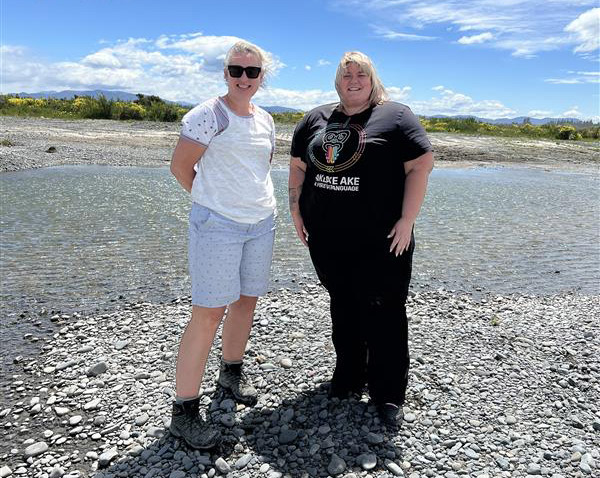 They’ll also provide free portable cleaning equipment and resources for those working and playing around popular freshwater sites.
“We’re excited to visit freshwater hotspots across Waitaha Canterbury this summer, creating awareness and educating the public about how to prevent the spread of invasive freshwater pests,” says Patrice Hammond, Freshwater Ambassador – Biosecurity.
“Check, Clean, Dry isn’t just about historic pests like didymo - there are new harmful aquatic pests you may not even see. We all have a responsibility to protect our freshwater. Remember: if it’s wet, it’s a threat.”
Backing biosecurity year after year
Environmental Regulation and Protection core service lead, Councillor Claire McKay said Canterbury Regional Council has been a consistent supporter and local implementer of the national Check, Clean, Dry campaign.
“We have supported this campaign year after year because it works. Our role focuses on prevention, community outreach, ambassador programmes, education, surveillance, and early detection - all aimed at keeping many of Waitaha Canterbury’s waterways pest‑free. Our long‑standing involvement reflects a commitment to protecting the region’s freshwater ecosystems through simple, effective public actions. Together, we can stop pests spreading and safeguard our waterways for future generations,” Cr McKay said.
Find out more about ECan's Environmental Regulation and Protection work.
Get advice, resources and support